Twilight portraits
Soft light, rich skies, and room to be yourself. An unhurried portrait session for individuals, couples, and small families.
Sunset into blue hour
Gentle posing guidance · Edited gallery
Gentle posing guidance · Edited gallery
Twilight portraits. Starlit adventures. Photographs that capture you in the quiet magic between day and night.
From the Milky Way above the mountains to the intricate colors of deep space.
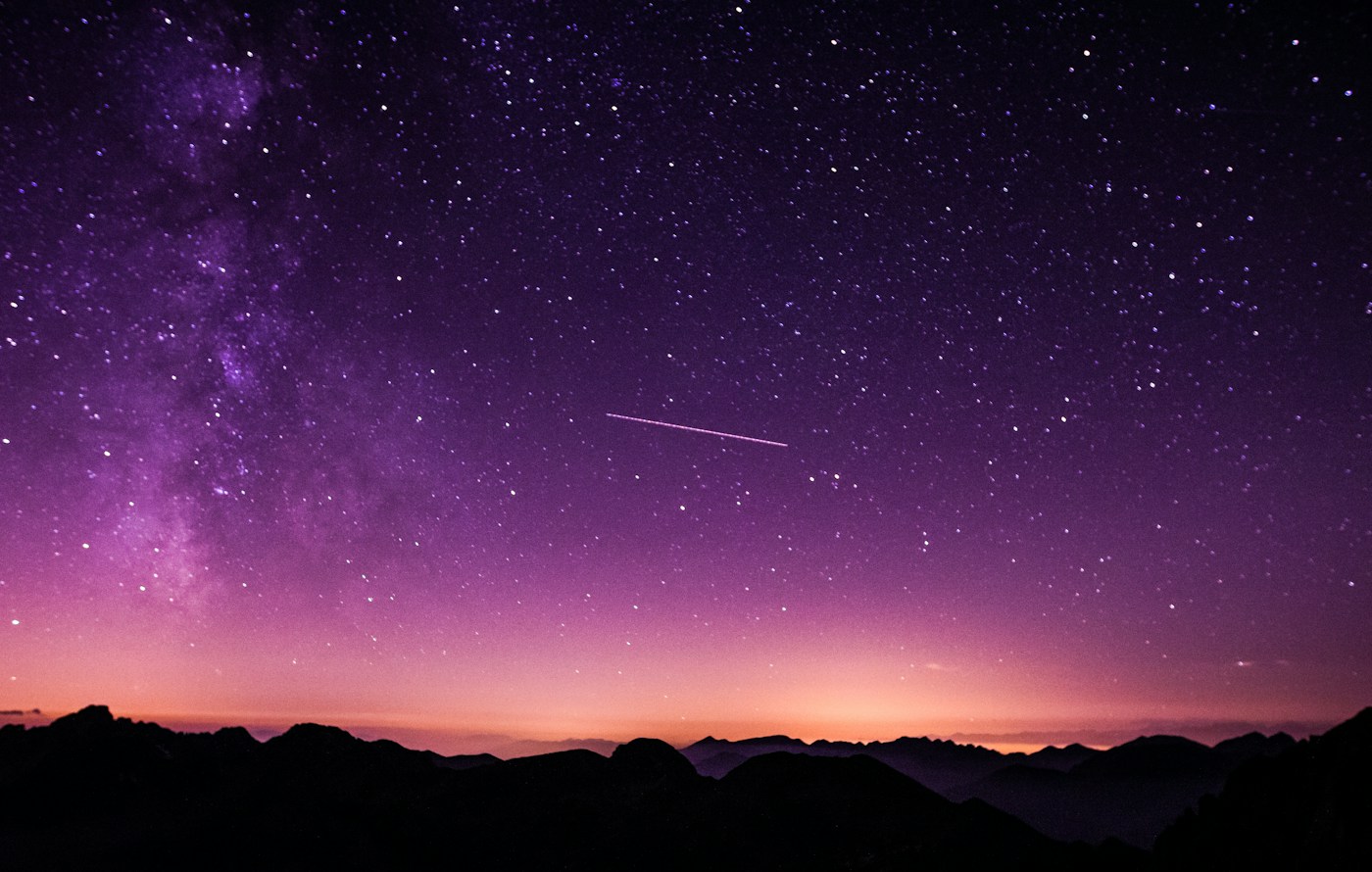
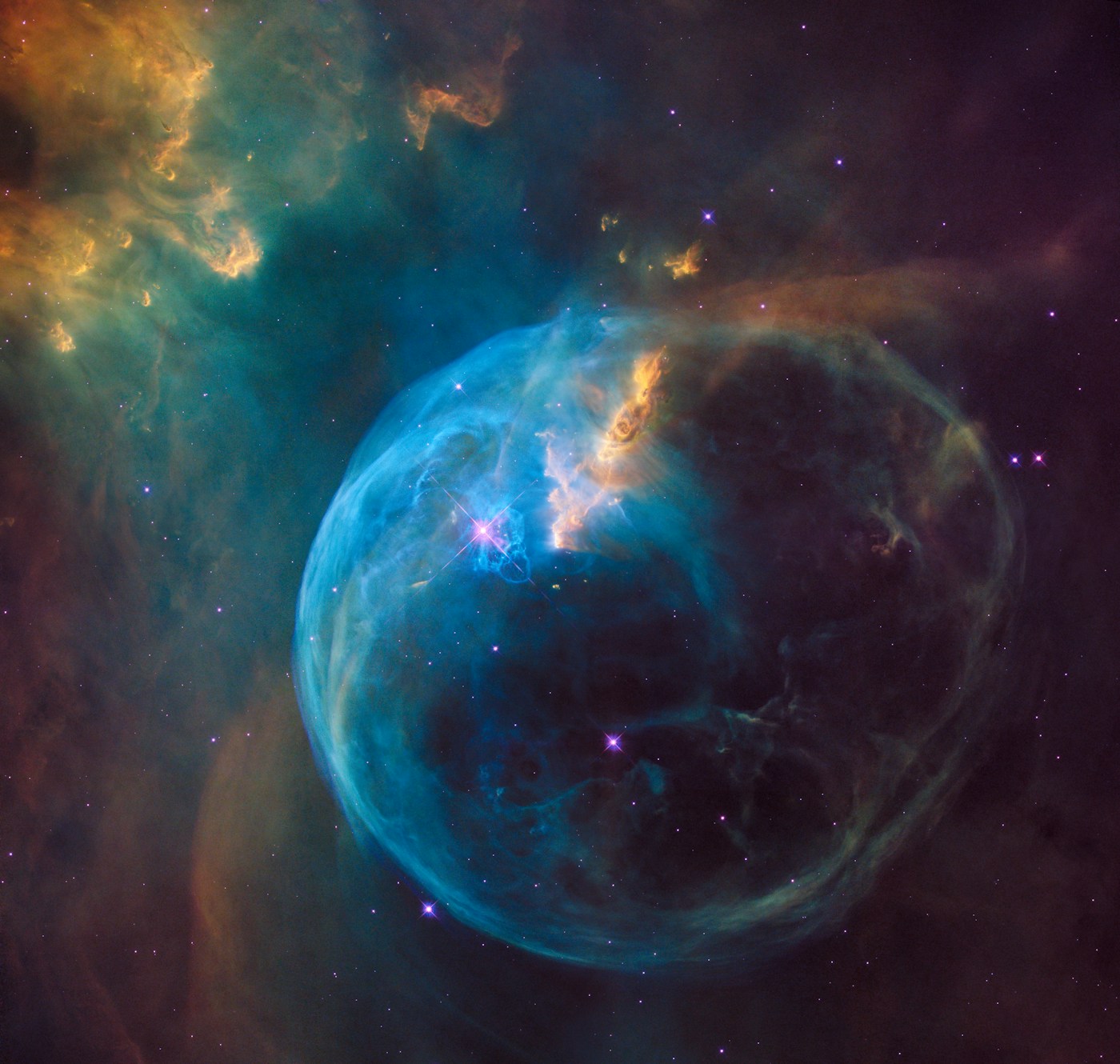
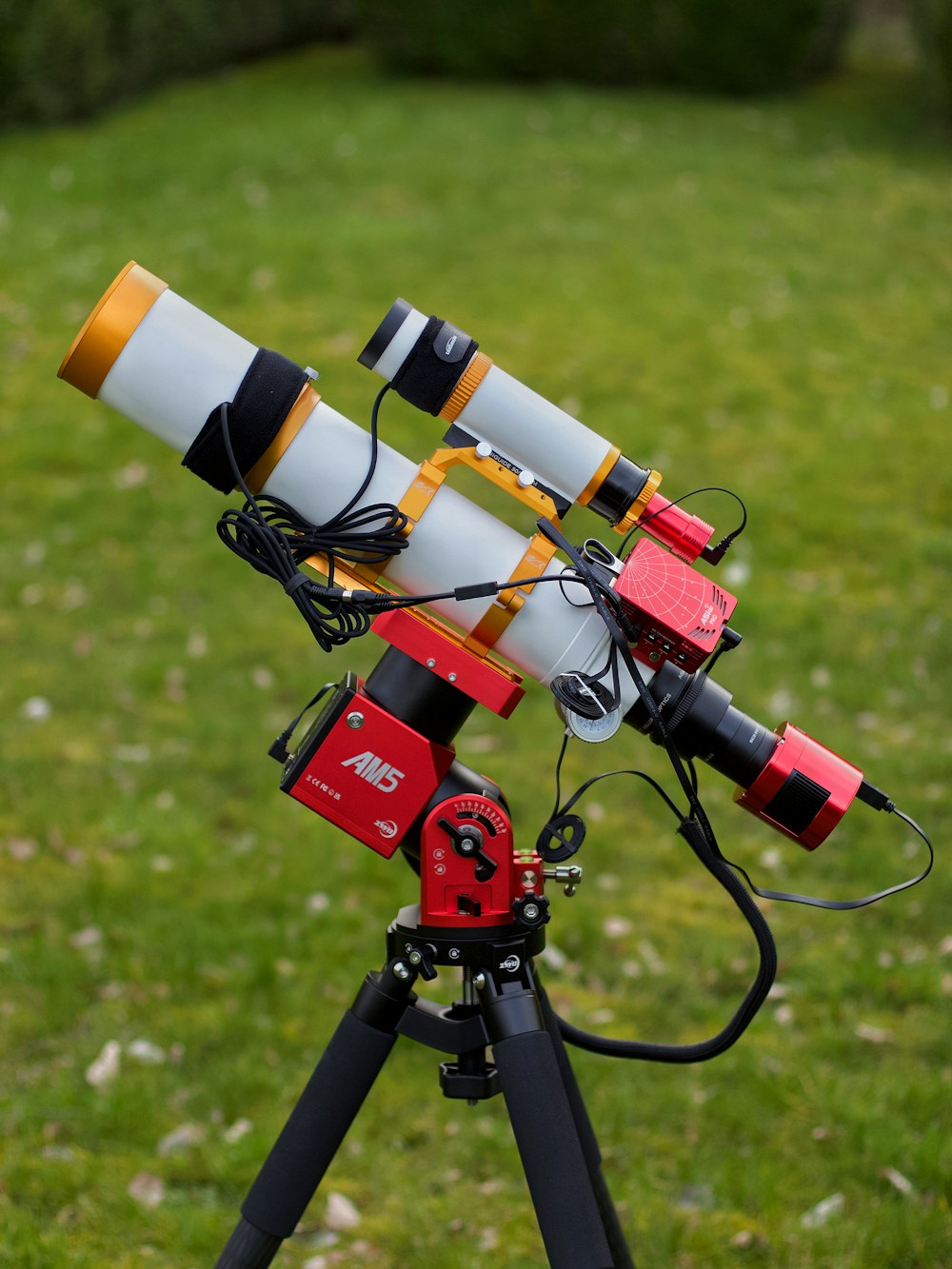
Inspiration imagery via Unsplash · Telescope photograph by Philippe
From the last warm light to a sky full of stars, choose the experience that feels like you.
Soft light, rich skies, and room to be yourself. An unhurried portrait session for individuals, couples, and small families.
Step away from the city lights. Create striking portraits beneath the night sky, with the landscape as part of your story.
A dedicated night-sky session for the adventurous. Dramatic horizons, long exposures, and a whole new perspective.
No experience in front of a camera needed. Just a little curiosity and a willingness to stay out past sunset.
Tell us what you have in mind, who is joining, and when you would love to shoot.
We plan around sunset, moonlight, and the forecast. If the sky does not cooperate, we find another night.
Your photographs are carefully edited and delivered in a private online gallery.
Good night photography starts with a steady camera, deliberate focus, and an exposure suited to your subject. A person at twilight, a city skyline, and the Milky Way each need a different approach. Use these settings as starting points, then inspect a test photograph and adjust.
Start in manual exposure mode and capture RAW files if your camera supports them. The ranges below are practical experiments, not universal presets. Lens focal length, available light, subject movement, and your camera all affect the result.
| Subject | Aperture | Shutter speed | ISO |
|---|---|---|---|
| Twilight portraits | f/1.8–f/2.8 | 1/125–1/250 sec | 400–1600 |
| Blue-hour landscape, tripod | f/5.6–f/8 | 1–10 sec | 100–400 |
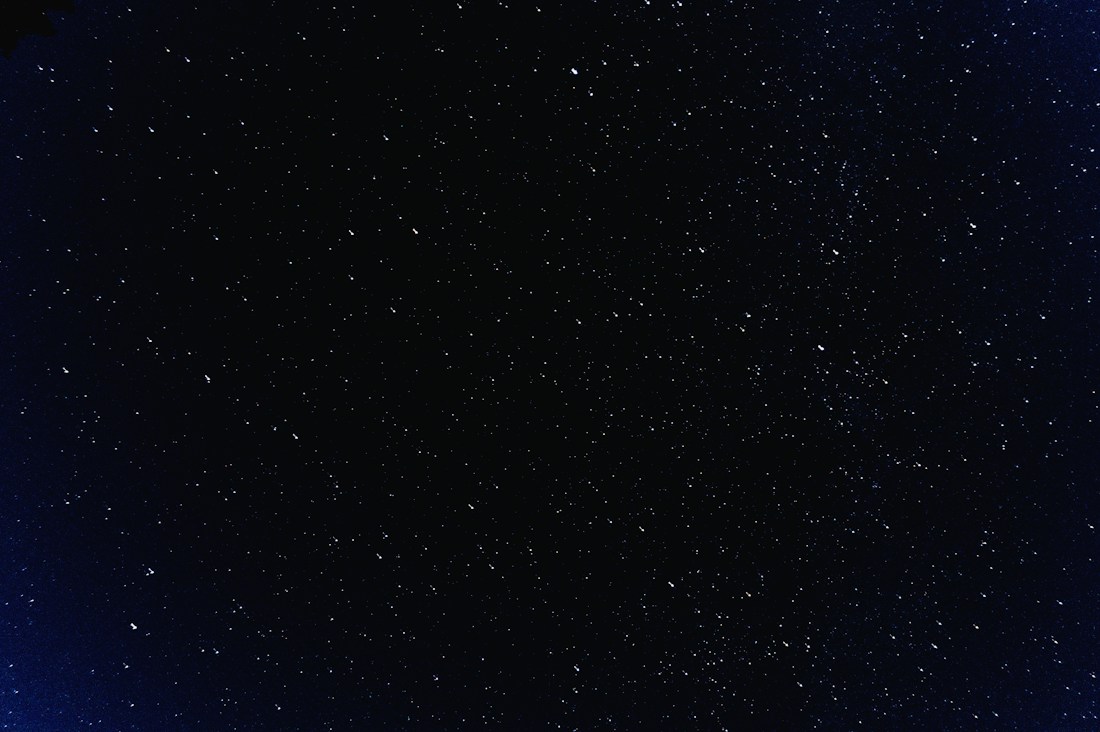
| Milky Way, wide lens, tripod | f/1.8–f/2.8 | 5–15 sec | 1600–6400 |
| City light trails, tripod | f/8–f/11 | 5–20 sec | 100–400 |
For a twilight portrait, prioritize a shutter fast enough for the person. For a stationary landscape, a tripod lets you use a longer exposure and lower ISO. For stars, the longest usable exposure depends on focal length and the detail you want to preserve. Zoom in to check for trails.
A short self-timer or remote release helps avoid shake when triggering the shutter. Check your lens instructions for stabilization settings when using a tripod.
Choose a location away from bright artificial lights, then check cloud cover, moonrise, moonset, and the Milky Way's position for your date and latitude. A moonless period usually makes faint stars easier to record.
Scout the foreground before dark. A mountain, tree, or shoreline gives the sky scale. Verify access hours, carry a light and spare battery, and plan a route back. The galactic core is seasonal; it is not visible everywhere on every clear night.
Adjust white balance to suit the scene, recover highlights where possible, and lift shadows gradually. Apply noise reduction before aggressive sharpening. Keep the sky dark enough to feel natural and avoid halos around stars. If you blend separate sky and foreground exposures, describe the result as a composite when presenting your work.
There is no single best ISO. A tripod-mounted city scene may work at ISO 100, while a short exposure of faint stars may need ISO 3200 or higher. Set aperture and shutter for the subject, then adjust ISO and check the result.
No. A camera, wide-angle lens, and tripod can capture the Milky Way and night landscapes. Detailed images of small galaxies or nebulae typically require longer focal lengths, tracking, and a more specialized workflow.
Yes. Use a stable support and your phone's night or astrophotography mode if available. Turn off flash, use a timer, and avoid digital zoom. Results depend on the phone, darkness, and conditions.
Begin around sunset and continue into blue hour while there is usable sky light. The duration changes with season and latitude. Arrive early to choose a composition before the light changes.
Further reading: Nikon's night-sky guide and Canon's Milky Way photography guide.
Let's make something worth staying up for.